
This term, we are going to be pondering some of the thorniest questions that have occupied philosophers for thousands of years in a very child–friendly way. What are the unique qualities or characteristics that make a human being? What defines a person? What makes people distinctive from other species? Is it our ability to think rationally or to put ourselves in the minds of others? Is it our creativity? Is it our ability to feel emotions? Is it the distinctive make up of our bodies, our biology, or the size and power of our brains?
Rene Descartes asserted famously, “I think, therefore I am,” which is an example of a trend detected in a good deal of Western thinking about what it means to be human – a trend that focuses on humans as individuals and the qualities each person possesses. Yet, is there not something missing from this explanation? Can people ever be entirely complete in isolation and without relationships with other people, however powerful, insightful, and productive their thinking may be?
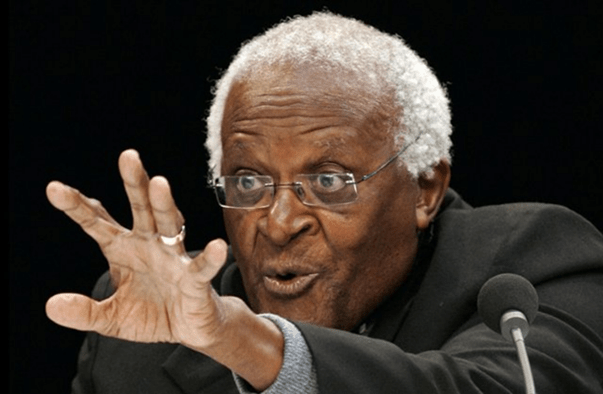
Using the life and words of an extremely influential figure in my development, Desmond Tutu, we not only looked together at his life fighting to bring about change but also his advocacy of the philosophy of Ubuntu. In this philosophy, Archbishop Tutu affirmed that we can only be fully human and altogether complete when we have strong, positive relationships with others.
“We are made for goodness. We are made for love. We are made for friendliness. We are made for togetherness. We are made for all of the beautiful things that you and I know. We are made to tell the world that there are no outsiders…. All are welcome. We all belong to this family, this human family.” (Desmond Tutu)
If we see the world in this way, we must celebrate diversity and revel in difference knowing that we are stronger because we are not all the same. “How could you have a soccer team if we were all goalkeepers? How would it be an orchestra if all were French horns?”
Not simply tolerating, or respecting difference, but celebrating it. There are no outsiders!
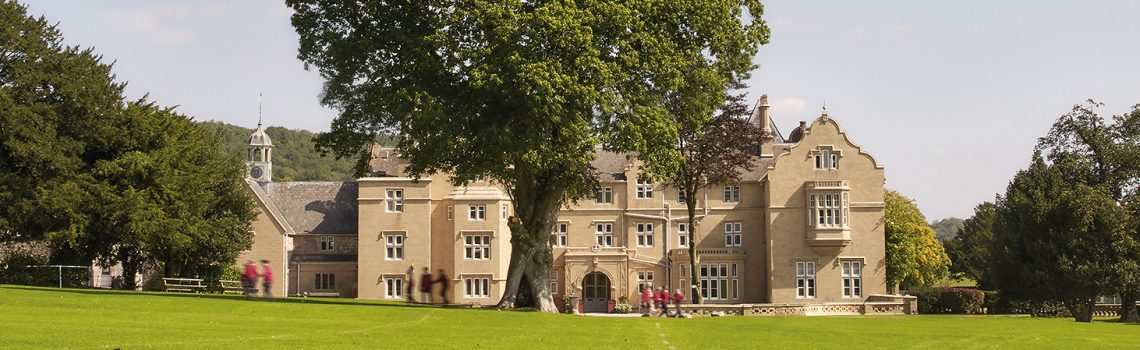
These are themes we return to frequently in school when we advocate community, inclusion, looking out for others, and seeking to develop our young people’s confidence in being who they are, an appreciation that our behaviour has an impact on those around us, and the aim of not only living to our highest potential, but seeing the potential in others.
The aim of engaging young people in such big questions is not just to make their heads hurt, but to foster their higher-level thinking, improve their debating skills and cultivate their sureness in their own convictions, and to foster their listening skills and confidence when there is not a single right answer or sole truth. In addition, I know from experience that our younger pupils deal often with the essence of a matter far better than I because they are not conditioned or bound in their thinking.
I wonder if there will be some interesting conversations in the car or around the dinner table?
#AHPrepWellbeing #AHPrepLearning #AHPrepHead
 Dr Trevor Richards