
As the children return to school, the matter of ‘catching up’ on learning and nourishing their mental health cannot be an either/or. In fact, doing all we can to support their wellbeing after the stresses of the pandemic is a vital component in promoting progress in their learning. As Maslow’s Hierarchy of Needs suggests, in order to meet higher order needs such as learning and thriving, young people need to have lower order basic needs and psychological needs met first.
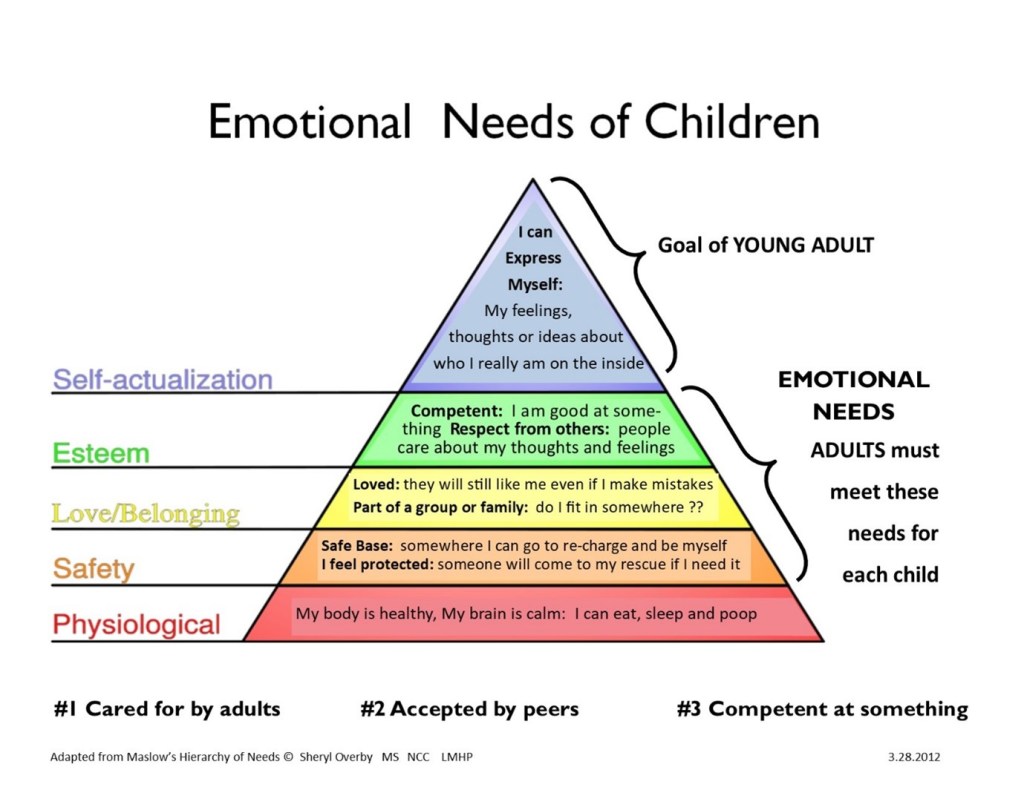
This means that to be in the best state to learn, students need to feel healthy, safe and happy. Together schools and families can meet these needs, if they work together and keep them at the centre of their thinking. The model reminds us to start any thinking about why a child may be struggling at the base of this pyramid, rather than at the top, where we as adults might typically focus immediately. It’s also important to acknowledge that, despite our very best efforts, there will not be a parent or school in the land that perfectly meets a child’s needs at all times.
Viewing child development through this lens, it is therefore a concern that in an attempt to plug perceived gaps in the Government’s predetermined and highly structured learning pathway for children, it seems to be taking a ‘cram it all back in’ approach, despite advice from a variety of professions that work with young people. Why is this? Surely, we should attempt to ‘catch up’ before the summer break? What about longer days, extra prep, shorter lunchtimes, more time at school – just more study? Here’s why:
- Expecting students to pick up where they left off and quickly ‘catch up’ on their ‘learning loss’ places significant additional pressure upon on them (and on families and teachers) (BBC News: Covid: Catch-up narrative putting ‘huge pressure’ on children, psychologists say), heaping on even more stress after the stresses of the previous months.
- Trying to ‘catch up’ on missed information on top of learning new information is likely to lead to cognitive overload. This means students will struggle to transfer both missed and new information into their long-term memory and won’t ‘properly’ learn either. A rushed approach is therefore counterproductive.
So let’s not feel that we need to rush to a pre-determined timeline, take a slightly longer term view, avoid cognitive overload, and keep student well-being strong. If we do this, not only will our children continue to enjoy school and have a passion for learning, but may well also exceed previous expectations of their outcomes.
 Dr Trevor Richards