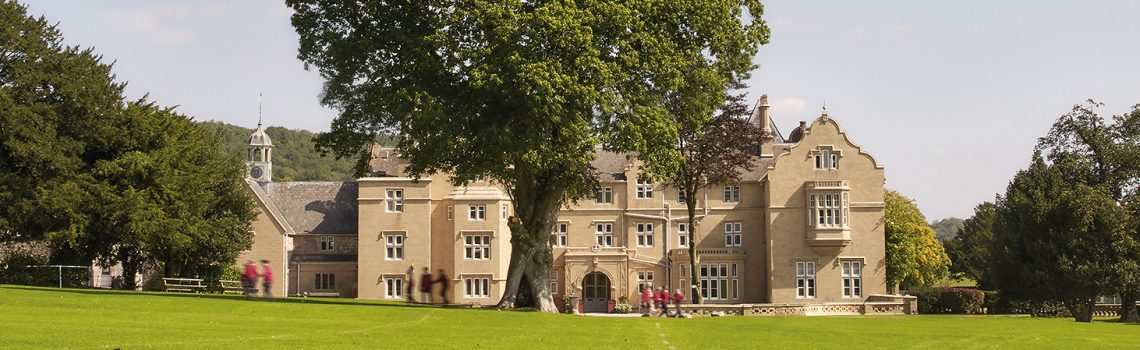

I have been wanting to find the time to blog since I began my doctoral training to become an Educational Psychologist some 9 years or so ago. Partly, my thinking behind blogging was a somewhat selfish reflective process, but I also wanted to think-out-loud about the findings of contemporary research, to ‘trouble’, question and contemplate some of the discourses around education and child –development, explore the tensions and ambiguities we all sometimes feel as people who work with, raise and care for your people, as well as share some of what makes All Hallows such a distinctive place – a place in which I work in partnership with parents and colleagues every day to ensure young people thrive.
Frequently debates around our education system seem to be embedded in a succession of false choices: inclusive vs. selective; caring vs. strict; concerned about the development of well-being and character vs. academically rigorous; scholarly vs. pastoral; good for the lowest/highest performers vs. good for all; fostering social mobility vs. bringing all to the same level. As a Head, I am incredibly grateful to be leading a school that has a great deal of control over its curriculum, structures and ethos, which enables us to offer a much more bespoke service in the best interests of the young people at the heart of the setting. For the most part, I am free from the either/or thinking that can often dominate the broader educational debate and I see our mission as preparing each young person to flourish in society – with all that entails.
I am a huge advocate of the recent drive to become more research informed in our schools. The Scottish poet Andrew Lange is quoted as stating,
“Some individuals use statistics as a drunk man uses lamp-posts — for support rather than for illumination”.
For me, this can also be true of research findings! Every year a plethora of research papers on teaching, learning, parenting and child development are published, some of which will inevitably contradict each other. Whilst we should never apply research uncritically, it can be very difficult for those busy people that teach, look after and care for young people to access these findings, consider which research is worth investing time in reading and how best to integrate it into their practice or behaviour. I hope, in some small way to help with this process.
It is also true that there is much more to schools and classrooms that just teachers and pupils. Every interaction in school – just as society at large – has “invisible” neurobiological, emotional, cognitive and social aspects. Like models and theories, these various viewpoints can provide us with lenses through which to view and better understand what is going on in our schools, as well as inside young people themselves, and this might be interesting to explore further too.
My hope is that at least some of my writing resonates with its readers and promotes their own contemplation of this issues raised.
 Dr Trevor Richards